
Occupational Therapy in Hyderabad for Children
If you are looking for occupational therapy in Hyderabad , Open Minds Child Vista in Khajaguda is a place to discuss your child’s everyday challenges and explore suitable support. Pediatric occupational therapy may help children participate in activities such as dressing, writing, playing, eating and school routines. Every child is different. Understanding individual strengths and needs comes first.

What Is Occupational Therapy for Children?
Occupational therapy supports participation in the activities that make up a child’s day — from play and learning to self-care and family routines.
In occupational therapy, “occupation” means meaningful everyday activities. For children, this includes play, eating, dressing, drawing, writing and participating in school. The aim is not to make every child act the same way, but to help each child participate in ways that work for them.
What Does a Pediatric Occupational Therapist Do?
A qualified occupational therapist looks at how children handle everyday tasks. This may involve hand movements, motor planning, sensory experiences, self-care skills, play and the environments where tasks happen.
How Does Occupational Therapy Support Everyday Activities?
A task such as putting on a shirt may involve hand coordination, movement planning and a sequence of steps. A therapist explores which parts are difficult and considers practical strategies.
What Are the Goals of Occupational Therapy for Children?
Goals are personal and functional. One child may work toward using utensils more easily. Another may need support with play, dressing, writing or school routines.

Signs Your Child May Benefit From OT
A single difficulty does not mean a child needs therapy. If a challenge continues or affects daily life, professional advice may help clarify the next step.
Fine Motor Difficulties
Tasks such as pencil grip, cutting, turning pages or using small objects may be harder than expected.
Dressing or Feeding Challenges
A child may need extra help with buttons, utensils, grooming or the sequence of daily routines.
Sensory Sensitivities
Sounds, clothing textures, movement or grooming may cause distress or make participation difficult.
Coordination & Motor Planning
Learning a movement, coordinating both hands or following movement steps may be challenging.
Handwriting & School Tasks
A child may find writing tools, paper handling or some classroom routines difficult.
When to Consider an Assessment
If concerns persist, cause distress or limit activities, ask a professional for guidance.
Remember: Development varies. These signs are not a diagnostic checklist. If your child loses skills they previously had, seek advice from a qualified child-health professional promptly.
How Occupational Therapy Supports Children’s Development
Occupational therapy focuses on meaningful tasks. The right activities depend on the child’s assessment, interests and daily needs.

Sensory Processing and Regulation
Understanding how sounds, textures, movement and body sensations affect daily routines. Support may include environment changes and practical strategies.

Fine Motor Skills and Hand Coordination
Activities involving grasping, manipulating objects, eye-hand coordination and handling everyday tools.

Handwriting and School Readiness
Support for writing-related skills, classroom materials, task planning and participation at school.

Daily Living and Self-Care
Practising dressing, feeding, grooming, personal routines and steps toward age-appropriate independence.
Gross Motor Coordination and Motor Planning
When movement affects daily activities, occupational therapy may address body awareness, coordination, posture and sequencing. Some children may also benefit from physiotherapy input.
Play, Attention and Task Participation
Play offers opportunities to practise skills, explore objects and engage with others. A therapist can adapt activities and routines to support meaningful participation.
Occupational Therapy Support for Different Developmental Needs
A diagnosis alone does not determine therapy. What matters is how a child participates in everyday activities and what support may improve comfort or independence.
Occupational Therapy for Children With Autism
Autistic children may have sensory, motor, self-care or participation needs. Support should respect the child’s preferences, communication and strengths. OT addresses functional challenges; it is not a cure for autism.
Occupational Therapy for Children With ADHD
Some children with ADHD need practical help with daily routines, organizing materials or completing tasks. OT may support these areas as part of broader recommended care.
Occupational Therapy for Developmental Delays
Where developmental needs affect play, movement or self-care, a therapist can assess the child’s current skills and suggest appropriate support.
Occupational Therapy for Coordination Difficulties
Challenges with movement sequencing, clothing fasteners, drawing or play may benefit from task-focused evaluation and support.
Occupational Therapy for Sensory Processing Challenges
When sensory experiences limit participation or cause distress, assessment may help identify useful adjustments and strategies. Not every sensory preference needs treatment.
Therapy recommendations should follow a professional assessment. Only services currently available from appropriately qualified team members should be presented as offered at the centre.
What Happens During a Pediatric OT Assessment?
An assessment brings together what parents notice, what the child can do, and where everyday tasks become difficult.

An assessment helps understand your child’s needs. The therapist may observe activities, discuss concerns and recommend appropriate next steps.
Understanding Your Concerns
Discuss everyday routines, developmental history and what is important to the child and family.
Observing Everyday Skills
The therapist may observe age-appropriate play, object handling or functional activities.
Assessing Relevant Abilities
Hand skills, motor planning, sensory responses and self-care may be explored if relevant.
Discussing Findings
Parents can ask about strengths, difficulties and meaningful therapy goals.
Planning Next Steps
A suitable plan may involve therapy, home strategies, further assessment or referral.
The assessment is about understanding, not judging.
The exact activities, tools and appointment length depend on the concerns and the therapist’s professional judgement. Not every child needs the same tests.
Parents should understand the findings and have time to ask questions before deciding what to do next.
What to Expect During Your Child’s OT Sessions
Activities should connect with real-life goals. Some involve play, some involve practising daily tasks, and others involve simple changes to the environment.
A useful goal describes an activity the child wants or needs to do. The therapist can select safe and suitable activities, then review how those skills carry over into daily life.
Individualized Therapy Goals
Goals may involve dressing, using utensils, writing, play or participation in a classroom task. They should reflect the child’s abilities and family priorities.
Play-Based and Activity-Based Interventions
Games, puzzles, construction materials and everyday objects can support selected skills when used for a clear reason.
Sensory and Motor Skill Activities
Movement, coordination, hand-use or sensory activities may be included when relevant to assessment findings.
Practising Functional Everyday Tasks
The child may practise opening containers, handling clothing or managing school materials using suitable support and adaptations.
Monitoring and Adjusting Progress
Progress should be measured through meaningful activities and reviewed with parents as needs change.


How Parents Can Support OT Goals at Home
Daily routines can create natural chances to practise useful skills. Activities should respect the child’s comfort and follow individualized professional advice.
Parents know what matters to their child. Sharing routines, concerns and observations makes goals more practical and relevant.
Working Together on Meaningful Goals
Parents can explain which activities are difficult at home, such as getting ready for school, eating or joining play.
Practising Skills in Daily Routines
Suitable opportunities may arise during dressing, meals and play. These should feel supportive rather than like constant testing.
Helping Children Participate
Offer choices, allow time and provide help when needed. Adjust activities that cause pain, distress or unnecessary frustration.
Communicating Progress
Tell the therapist what works at home, what remains difficult and where new questions arise.
Occupational Therapy vs Speech Therapy vs Physiotherapy
Different professionals work with different aspects of health and development. Which service is suitable depends on the child’s needs.
Occupational Therapy
Supports participation in everyday activities such as dressing, play, self-care, coordination, handwriting and functional routines.
Speech and Language Therapy
Focuses on communication and related needs, including speech sounds, understanding, expression and ways to connect with others.
Physiotherapy
Often focuses on physical function, movement, mobility, balance and strength. Areas of practice can overlap with OT.
Can a child need more than one service? Sometimes, if needs cover several developmental areas. Not every child requires multiple therapies. An individual assessment should guide recommendations.
Your child’s needs determine which professional or combination of services is appropriate.
When to Start OT, How Long It Takes & What to Expect
There is no single therapy schedule that fits every child. The goal is to understand what help is appropriate and how progress will be discussed.
At What Age Can Children Begin OT?
Occupational therapy can be considered at different ages, including early childhood. The need depends on functional concerns and professional assessment rather than one fixed age.
How Often Are Sessions Recommended?
The frequency depends on goals, the child’s needs and family circumstances. A therapist should explain why a particular plan is proposed.
How Long Does OT Take?
There is no standard number of sessions that guarantees improvement. Progress varies and goals should be reviewed over time.
How Is Progress Measured?
Progress should relate to everyday tasks. This may involve observing task participation and gathering parent or teacher feedback.
What Does OT Cost in Hyderabad?
Costs vary by provider and appointment type. Contact Open Minds Child Vista for current assessment and session charges, including what the fee covers.
Ask who will provide the appointment, what it includes, whether an assessment is recommended and when the plan will be reviewed. Avoid promises of guaranteed results.

Meet the professional
Meet Our Occupational Therapist
Ingle Shahu Kishan
Occupational Therapist · Open Minds Child Vista
Ingle Shahu Kishan is listed by Open Minds Child Vista as part of the centre’s published professional team in Hyderabad. Parents can contact the centre to ask about current availability, assessment options and whether occupational therapy is appropriate for their child’s everyday functional needs.
Why Choose Open Minds Child Vista in Hyderabad?
A helpful centre should make room for parents’ questions, explain services clearly and respect each child’s individual strengths.
Individual Needs Come First
Each child’s strengths, interests and everyday challenges should shape assessment and recommendations.
Practical Daily-Life Goals
Useful goals connect with meaningful activities rather than isolated exercises alone.
Parents Can Ask Questions
Clear information helps families understand the reason for an assessment and possible next steps.
Supportive Communication
Respectful conversations consider the child’s comfort, communication and preferred ways of participating.
Appropriate Professional Input
Different concerns may need different professionals. Recommendations should follow relevant assessment.
Khajaguda Location
The centre is on Lanco Hills Road, in the Khajaguda area of Hyderabad, accessible from nearby communities.
Explore a Child-Friendly Therapy Space
Parents can ask about the actual rooms, equipment and appointment arrangements at Open Minds Child Vista.
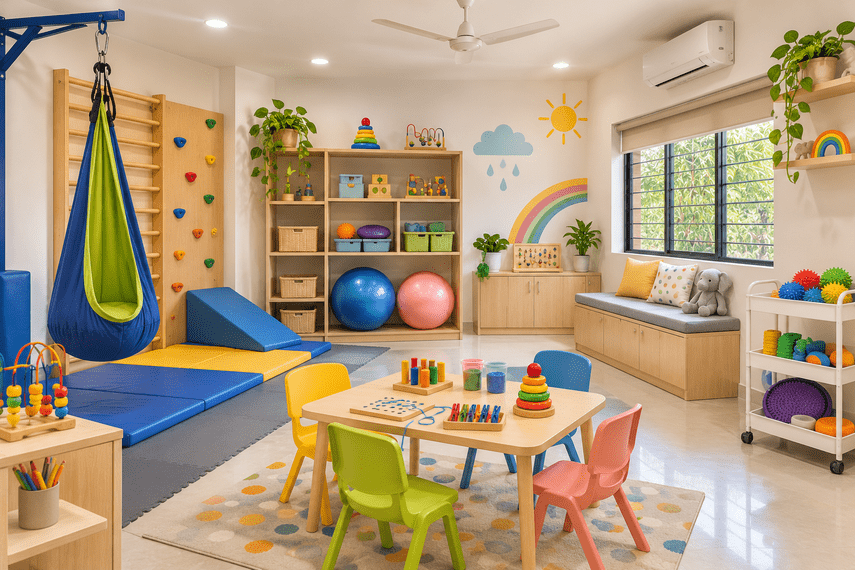
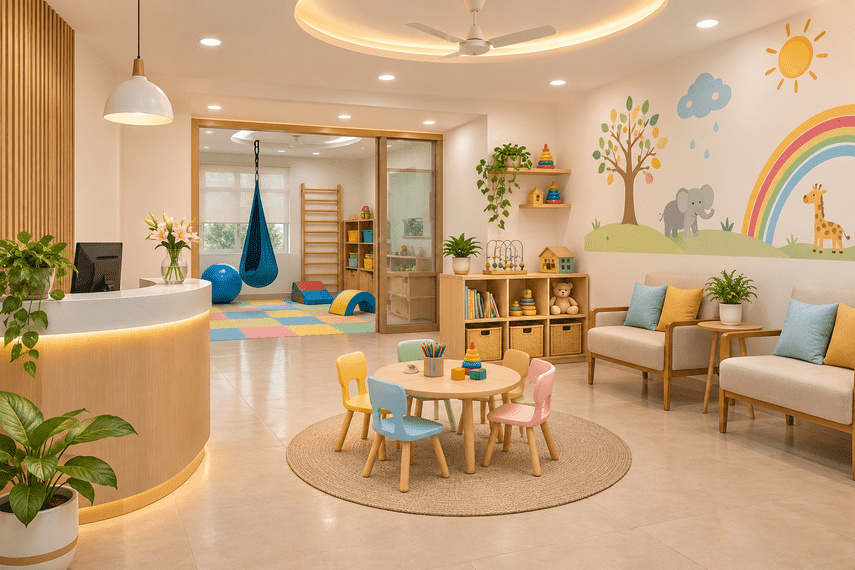
Therapy Rooms and Activity Spaces
A suitable environment should support the kinds of activities recommended for the child.
Materials and Equipment
The value of an activity comes from its purpose and fit with a child’s goals, not from how elaborate the equipment looks.
Comfort for Children and Families
Share sensory, communication or access needs before visiting so appointment arrangements can be discussed.
Frequently Asked Questions About Occupational Therapy in Hyderabad
Clear answers can help you decide whether to ask about an assessment and what to expect from the process.
Occupational therapy supports children’s participation in everyday activities such as play, dressing, writing, eating and school routines. The approach depends on individual needs.
Occupational therapy supports children’s participation in everyday activities such as play, dressing, writing, eating and school routines. The approach depends on individual needs.
Ongoing difficulties with self-care, movement, hand use, sensory experiences or participation may be worth discussing with a qualified professional. One sign alone does not confirm a need for therapy.
Occupational therapy may be appropriate during early childhood or later. There is no single starting age for every child. An assessment can help clarify what is suitable.
OT may support functional activities such as dressing, play and managing sensory environments when these are relevant to a child’s needs. It does not cure autism.
Some children may benefit from practical support for routines, organization and task participation, alongside other recommended care.
OT may address writing-related skills such as pencil control, posture, coordination and classroom participation when assessment shows they are relevant.
A therapist may explore how sensations affect daily life and suggest individualized strategies. Not every sensory preference is a problem needing treatment.
The appointment may begin with questions about the child’s development, daily tasks and parent concerns. Confirm the exact first-visit process with the centre.
This varies with the child’s goals, needs and progress. No fixed number of sessions guarantees a specific result.
Fees differ by appointment type and provider. Contact Open Minds Child Vista to ask about current assessment and session charges.
The published address is 1st Floor, Plot No. 46, Lanco Hills Road, Chaitanya Enclave, Hyderabad, Telangana 500089. Please confirm the current entrance and floor before visiting.
Use the website contact page, phone or WhatsApp to ask about occupational therapy appointments and suitable next steps.
Find Occupational Therapy in Khajaguda
Open Minds Child Vista — Child Development Centre
1st Floor, Plot No. 46, Lanco Hills Road, Chaitanya Enclave, Khajaguda Hyderabad, Telangana 500089, India.
Phone: +91 9963964963
Email: openmindschildvista@gmail.com
Nearby areas: Khajaguda, Manikonda and Gachibowli.
Take the Next Step Toward Understanding Your Child’s Needs
If your child finds everyday activities difficult, you do not need to decide which therapy is right on your own. Contact Open Minds Child Vista to share your concerns and ask about suitable assessment or appointment options.
Call +91 9963964963 · Khajaguda, Hyderabad
Call +91 9963964963 · Khajaguda, Hyderabad
This information is educational and is not a diagnosis or a substitute for an individual assessment by a qualified healthcare professional.
Please avoid including sensitive medical information in your initial enquiry.