Child Development Centre in Hyderabad —Every Child’s Journey Deserves Understanding
Children grow, communicate, play and learn in different ways. At Open Minds Child Vista in Hyderabad, parents can explore questions about development, communication, learning, daily activities and emotional well-being. Whether you have noticed a new concern or are considering an assessment, begin with clear information and an understanding of individual strengths and needs.
Questions are welcome here. Begin with a conversation, not a label.
A child development centre can help families consider which professional guidance is appropriate. Explore the support topics below, meet the published team, and reach out when you are ready for a conversation about your child’s next step.
Small moments. Meaningful growth.
GROWING WITH CURIOSITY Discover what comes next ↓
A GENTLE PLACE TO START
Wondering Where to Begin? Let’s Find a Helpful Next Step.
There isn’t one perfect starting point. Choose what feels closest to your family’s needs.
01
I’m Concerned About My Child’s Development
Wondering about communication, play, learning or behaviour? Start with the questions you’ve noticed and explore whether professional guidance might help.
Every Child Develops Differently. Understanding Comes First.
Child development is not a race. Children build communication, movement, thinking, relationships and independence through experiences that may look different from one child to another.
When questions arise, listening to a child’s strengths and a family’s experiences can help shape more useful conversations. Thoughtful professional guidance considers the whole child rather than focusing on one challenge in isolation.
Different questions call for different kinds of support. These overviews can help you prepare for a conversation about the services most relevant to your child.
01 / Communication
Speech and Language Therapy
Communication is more than words. Speech and language therapy may help children explore speech sounds, understanding, expression and ways to connect with other people.
Questions About Your Child’s Development? You’re Not Alone.
A concern does not automatically mean there is a condition. These everyday topics can help you put your observations into words before you seek professional guidance.
◉
Speech and Communication
Wondering about speech sounds, understanding, gestures or expressing needs? Consider when, where and how your child communicates most comfortably.
✿
Social Interaction and Play
Children have different ways of playing and connecting. Share examples of activities your child enjoys and situations that feel more difficult.
✎
Learning and Attention
School tasks and attention demands change with age. It may help to discuss patterns noticed at home, in class and during preferred activities.
✦
Sensory Experiences
Sounds, textures, movement and busy places can feel different to each child. Describe what feels comfortable, overwhelming or enjoyable.
↗
Movement and Everyday Skills
Questions about coordination, dressing, handwriting or daily routines may benefit from an age-appropriate professional conversation.
♡
Emotions and Behaviour
Emotions and behaviour can reflect many influences. Understanding context, safety and communication needs is more useful than applying a quick label.
Persistent concerns or lost skills deserve attention from a qualified child-health professional.
During early childhood, families may notice questions about first words, shared attention, play, movement, sensory preferences and interactions with others. A professional can help explore developmental milestones in context.
Children may need support navigating classroom demands, reading and writing, attention, friendships, communication and feelings. Understanding the strengths behind these experiences can guide practical next steps.
Teenagers may have questions around emotional well-being, learning differences, relationships, confidence and changing responsibilities. Age-appropriate conversations should respect young people’s experiences and autonomy.
Understanding Development Through Thoughtful Assessment
Developmental screening is a brief check that may suggest whether closer attention could be helpful. An assessment is a more detailed professional evaluation guided by a specific question and the child’s individual circumstances.
A short review of areas such as communication, movement, play and early learning. Screening may indicate whether a more detailed evaluation is worth discussing.
Depending on the referral question, professionals may explore attention, interactions, conversational patterns and other relevant developmental experiences.
A PATH OF UNDERSTANDING
A Supportive Journey, One Step at a Time
A simple example of how a supportive professional conversation can unfold. Your family’s actual experience may vary.
01
Share Your Concerns
Describe the changes you’ve noticed and what matters most in daily life.
02
Speak With the Appropriate Professional
Ask which kind of specialist or conversation could best address those questions.
03
Understand Recommended Next Steps
Discuss whether observation, screening, evaluation or practical support is appropriate.
04
Review Support and Progress Together
Make space for family feedback, updated questions and meaningful everyday goals.
A CHILD-AND-FAMILY VIEW
What Matters in Child-Centred Developmental Support
Children are people, not checklists. A respectful approach to development values curiosity, collaboration and the child’s individual strengths.
✦
See the whole child
Think about strengths, everyday interests, relationships and support needs together.
♡
Listen respectfully
Make space for children’s different ways of communicating, expressing and participating.
☼
Include the family
Parents and caregivers offer valuable insight into daily routines and experiences.
✳
Keep next steps clear
Use accessible explanations and ask questions before deciding what feels appropriate.
◈
Value professional guidance
Seek the right qualified professional for specific developmental or emotional concerns.
❋
Notice strengths
Recognize progress in meaningful daily moments rather than comparisons alone.
THE PEOPLE BEHIND THE NAME
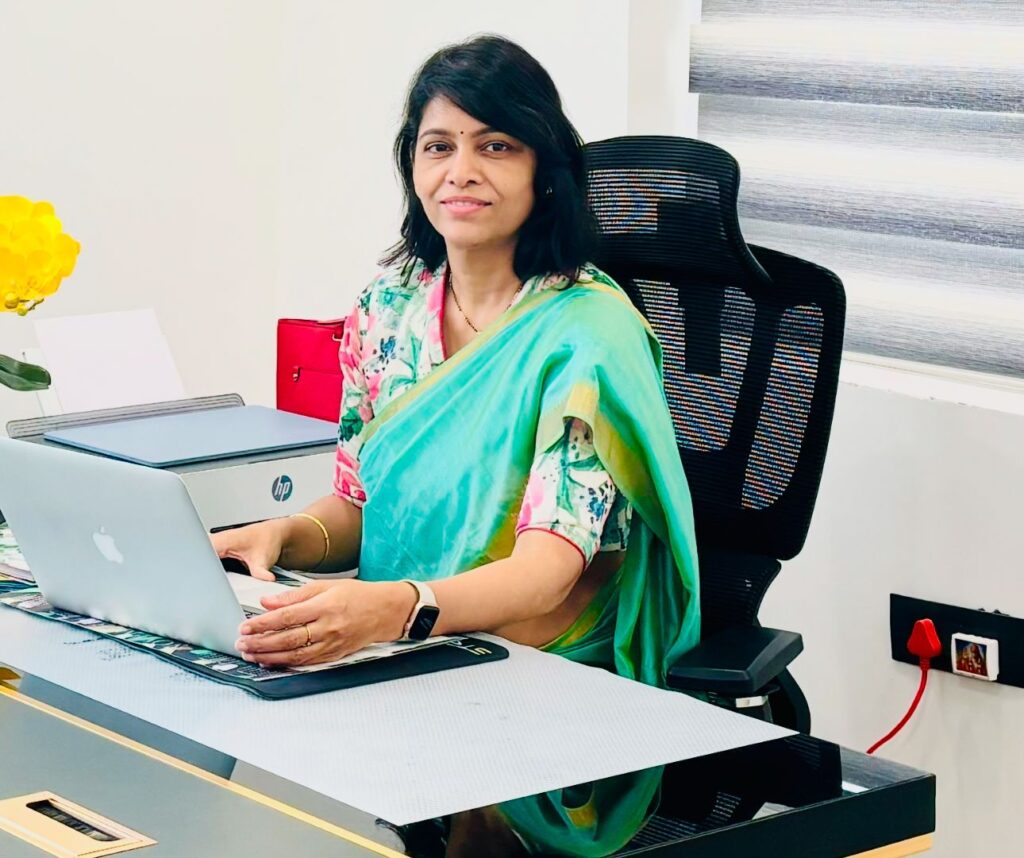
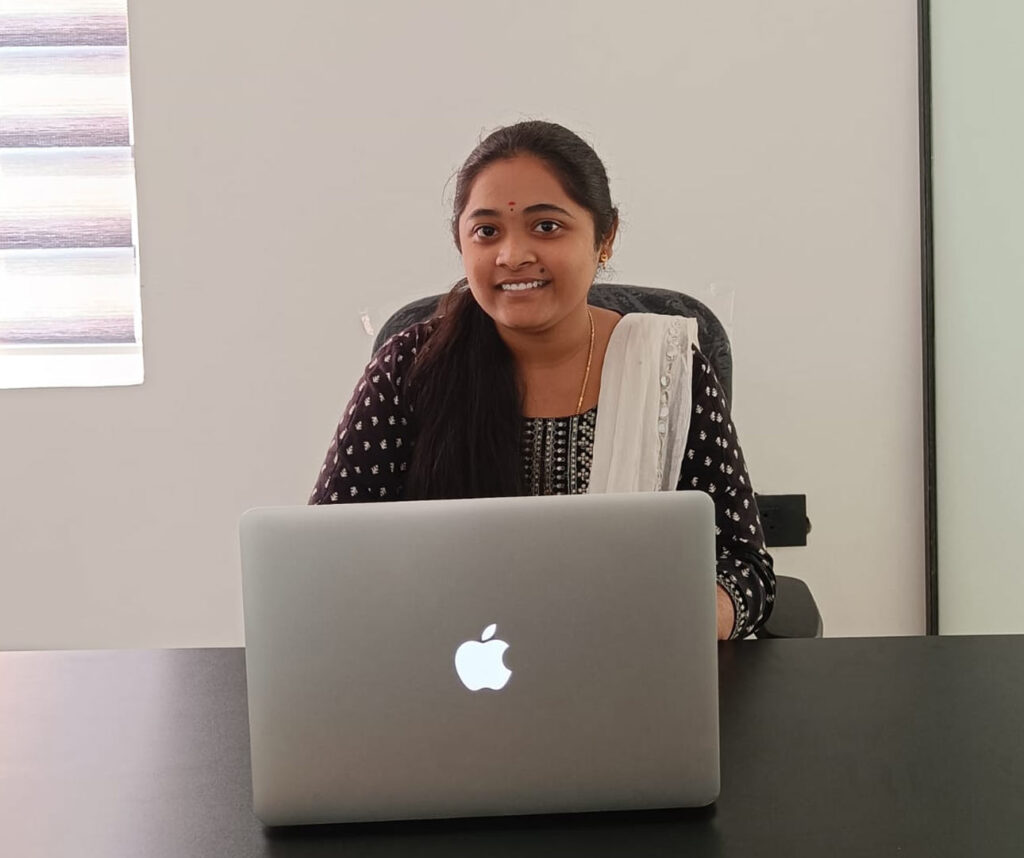
Meet the Team at Open Minds Child Vista
Meet the published team members through their real photographs, names and professional roles. Every introduction is a starting point for a conversation, not a substitute for confirming the right professional for your child.
OPEN MINDS TEAM
Dr. Sunitha
Clinical Psychologist
OPEN MINDS TEAM
Dr. Ravi Kulender Suravarapu
Psychologist
OPEN MINDS TEAM
Dr. Priyanka Tangutoori
Consultant
OPEN MINDS TEAM
K . Jaya Surya
Speech & Language Therapist
OPEN MINDS TEAM
Ingle Shahu Kishan
Occupational Therapist
OPEN MINDS TEAM
N. Sri Bhavya
Behavioral Therapist
OPEN MINDS TEAM
Akshaya
Receptionist
IDEAS TO EXPLORE AT HOME
Helpful Resources for Understanding Child Development
Brief educational starting points for questions many families have. They are not a substitute for individualized professional advice.
EARLY DEVELOPMENT
Understanding Early Developmental Milestones
Milestones describe common patterns, not fixed deadlines. Variation can be normal, and persistent concerns are worth discussing with a qualified professional.
Notice how your child plays, moves, communicates and interacts across different settings. If skills change unexpectedly or concerns continue, share specific observations with a paediatrician or relevant child-development professional.
ASSESSMENT QUESTIONS
When Might Families Consider an Assessment?
An assessment may be worth discussing when difficulties affect everyday participation, or when parents or teachers notice patterns that need closer understanding.
Write down what you have observed, when it happens and what seems to help. A professional can discuss whether monitoring, screening, specialist input or a detailed assessment is appropriate.
EVERYDAY PLAY
Supporting Communication Through Play
Shared attention, turn-taking, familiar songs and conversations about everyday activities can create natural opportunities to connect.
Follow your child’s interests, describe what you are doing together and allow time for a response in words, gestures or other forms of communication. Avoid pressure to perform; make interactions enjoyable and responsive.
GOOD QUESTIONS DESERVE CLEAR ANSWERS
Frequently Asked Questions About Child Development Centres in Hyderabad
A child development centre is a place where families can seek professional guidance about development, communication, learning, everyday skills and emotional well-being. Available services and the right next step depend on the centre and the child’s needs.
Consider a consultation when you have ongoing questions, see difficulties affecting everyday life or notice a loss of previously acquired skills. A child-health professional can help determine whether further evaluation is appropriate.
Developmental screening is a brief check of age-related skills and areas that may need attention. A screening result is not the same as a clinical diagnosis; additional assessment may or may not be recommended.
A developmental assessment gathers relevant information about a child’s strengths, daily functioning and support needs. Professionals may use discussion, observation and appropriate tools depending on the question being explored.
Speech and language professionals may explore clarity of speech, language understanding, expression, social communication and other communication needs. The specific approach varies by age, circumstances and professional evaluation.
Occupational therapy can support children’s participation in everyday activities such as self-care, play, fine-motor tasks and routines. The focus is on meaningful participation, not on making every child behave the same way.
Early intervention refers to individualized support in the early years when developmental needs are identified. It may involve the child, caregivers and appropriate professionals working together on practical goals.
Bring a short list of questions and examples of what your child enjoys or finds difficult. Previous relevant reports may be helpful, but avoid feeling you must prepare a full medical history before a simple enquiry.
Look for appropriately qualified professionals, clear explanations, respectful communication, a suitable assessment process and convenient access. Ask how families participate in decisions and how recommendations are explained.
The centre’s website lists Plot No. 46, Lanco Hills Road, Chaitanya Enclave, Hyderabad, Telangana 500089, on the 1st Floor. Some business-directory listings say 2nd Floor; confirm the current floor with the centre before visiting.
VISIT US IN HYDERABAD
Find Open Minds Child Vista in Hyderabad
Find the centre in the Lanco Hills Road area of Chaitanya Enclave, Hyderabad.
Live Google Maps business listing · location and floor require final confirmation
YOUR NEXT STEP CAN BE A CONVERSATION
Ready to Talk About Your Child’s Development?
There is no need to have all the answers before you reach out. Tell us what you would like to understand and explore a suitable next step with the team.
Whether you have a specific question or are just beginning to explore, you can start with a general enquiry. Detailed medical information is not needed here.
Your questions matter. Share only what feels necessary for an initial contact request.
👋 Hello! Welcome to Open Minds Child Vista! 🌈
💚 Every child's development matters!
We are here to support your child's growth and development.
✨ How can we help you today?
🗣️ Speech & Language Therapy 🧩 Occupational Therapy 🌱 Early Intervention 🧠 Developmental Assessments 📅 Book an Appointment
💬 Have questions about our services?
Tap the WhatsApp button below to connect with our team. We're happy to help! 😊